
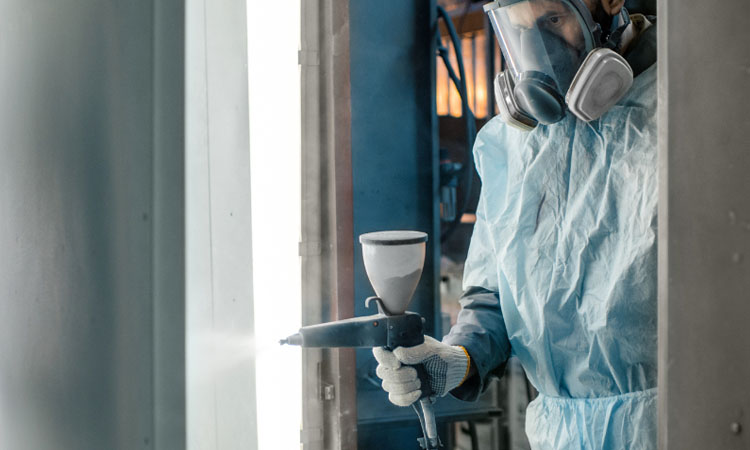
Living in South Florida, we are no strangers to the challenges posed by our beautiful but harsh coastal environment. The salty air, high humidity, and frequent storms create a perfect storm for corrosion, especially for metal structures. At SteelTech Electropainting, we provide metal restoration services to help protect and extend the life of these structures. In this article, we will explore various strategies for corrosion prevention that go beyond just applying a coat of paint.
Understanding Corrosion in Coastal Environments
Before diving into prevention strategies, it’s essential to understand the process of corrosion itself. Corrosion is a natural process where metals break down due to reactions with environmental elements. In coastal areas like South Florida, the presence of salt in the air accelerates this process, leading to quicker degradation of metal structures.
The Impact of Salt and Humidity
Salt acts as an electrolyte, which increases the conductivity of water, allowing the electrochemical reactions that cause corrosion. The high humidity levels in South Florida further exacerbate the situation by providing the moisture needed for these reactions to occur. The combination of salt and moisture is particularly aggressive, making corrosion a significant concern for any metal structure near the coast.
Proactive Corrosion Prevention Strategies
While paint can offer some protection, depending only on it is insufficient for the aggressive conditions of South Florida. Let’s delve into some proactive strategies that can improve the durability of metal structures.
1. Material Selection
Choosing the right materials is the first step in effective corrosion prevention. Metals such as stainless steel, aluminum, and certain alloys are more resistant to corrosion and are excellent choices for coastal environments.
- Stainless Steel: Known for its corrosion resistance due to the presence of chromium, which forms a protective layer on the surface.
- Aluminum: Naturally forms a protective oxide layer that shields it from further corrosion.
- Corrosion-Resistant Alloys: Alloys such as Inconel and Monel offer enhanced resistance against corrosive elements.
2. Protective Coatings
While paint is a common protective measure, specialized coatings can offer superior protection. These include galvanization, powder coatings, and epoxy coatings.
- Galvanization: Involves applying a protective zinc coating to steel or iron to prevent rusting.
- Powder Coatings: Provide a durable finish that is resistant to chipping, scratching, and fading.
- Epoxy Coatings: Offer excellent adhesion and chemical resistance, making them ideal for harsh environments.
3. Cathodic Protection
Cathodic protection is an electrochemical technique used to prevent corrosion on metal surfaces. This method involves making the metal structure the cathode of an electrochemical cell.
- Sacrificial Anodes: These are more reactive metals attached to the protected structure, which corrode in place of the structure.
- Impressed Current Systems: Use an external power source to provide a constant flow of electrons to the metal, preventing oxidation.
Maintenance and Monitoring
Implementing preventive strategies is crucial, but regular maintenance and monitoring are equally important to ensure the longevity of metal structures.
Regular Inspections
Conducting regular inspections can help identify early signs of corrosion, allowing for timely interventions. Look for signs such as rust, discoloration, or pitting on the metal surface.
Metal Restoration Services
In cases where corrosion has already taken hold, professional metal restoration services can help. These services, such as those offered by SteelTech, include cleaning, repairing, and recoating metal surfaces to restore their condition and appearance.
Environmental Control
While it may not always be possible, controlling the environment around metal structures can reduce corrosion risk. This can involve using dehumidifiers, installing barriers to block salt spray, or designing structures to minimize water retention.
Innovative Technologies in Corrosion Prevention
Advancements in technology have brought about innovative solutions for corrosion prevention. These technologies offer promising results and are worth considering for long-term protection.
Nanotechnology Coatings
Nanotechnology has introduced coatings that provide superior protection by forming ultra-thin, durable layers on metal surfaces. These coatings are highly resistant to environmental factors and can extend the life of metal structures.
Smart Coatings
Smart coatings are designed to respond to environmental changes. For instance, they can release corrosion inhibitors when triggered by specific conditions, providing active protection against corrosion.
Corrosion Monitoring Systems
These systems use sensors to detect early signs of corrosion, allowing for proactive maintenance. By continuously monitoring the condition of metal structures, these systems help in making informed decisions about maintenance and repairs.
Corrosion prevention is a critical aspect of maintaining metal structures in South Florida’s coastal climate. By understanding the factors that contribute to corrosion and implementing comprehensive prevention strategies, we can help extend the lifespan of these structures. From selecting the right materials to adopting innovative technologies, there are multiple avenues to explore.
At SteelTech, we are committed to providing solutions that go beyond traditional methods. Whether through advanced coatings, cathodic protection, or metal restoration services, our goal is to protect your investments against the relentless forces of nature. By taking a proactive approach, we can ensure that metal structures continue to stand strong against the test of time.
For more information on how we can assist with corrosion prevention and metal restoration services, contact us today.