
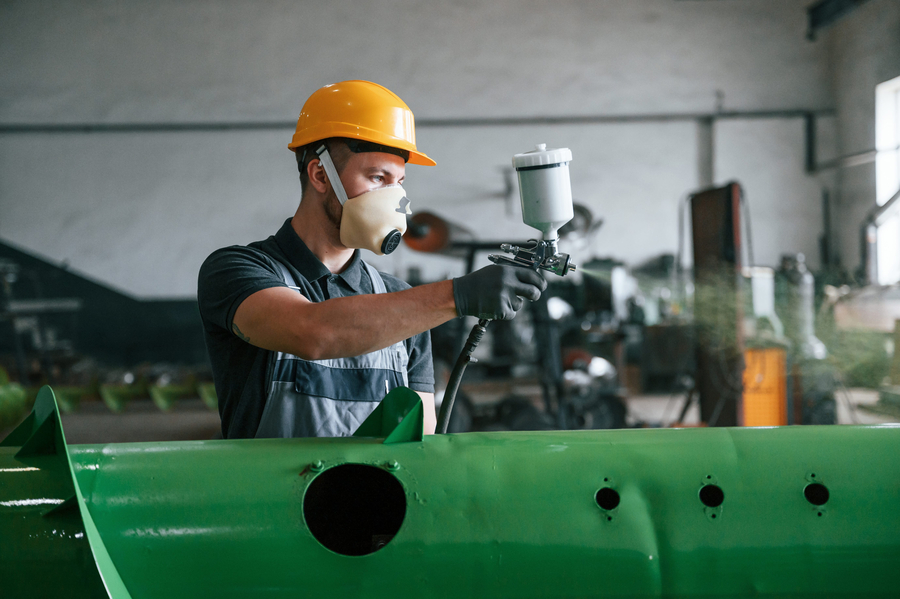
Machinery refinishing requires more than applying a fresh coat of paint. Labels, control panels, bearings, moving parts, safety markings, electrical areas, and sensitive components need careful masking, isolation, surface preparation, and project planning before work begins. In this blog, Steeltech Electropainting Inc explains how machinery electrostatic painting in South Florida can help restore industrial equipment while protecting the parts that should not be painted.
The Importance of Protecting Machinery Components
When it comes to machinery, every component has a role to play. Labels provide important information, controls ensure operational efficiency, and moving parts keep the machine running smoothly. Protecting these elements is important not only for the longevity of the equipment but also for the safety and efficiency of operations.
Preserving Labels and Controls
Labels on machinery often include vital information such as operational instructions, safety warnings, and technical specifications. Over time, exposure to harsh industrial environments can cause these labels to fade or become illegible. Similarly, controls can suffer from exposure to dust, chemicals, and other environmental factors, affecting their functionality.
On-site machinery refinishing addresses these issues by applying protective coatings that shield labels and controls from environmental damage. By ensuring that labels remain clear and controls are in optimal condition, businesses can maintain compliance with safety regulations and minimize operational errors.
Safeguarding Moving Parts
Moving parts are the lifeblood of any machine, and their smooth operation is essential for overall functionality. However, these components are susceptible to wear due to friction, corrosion, and environmental exposure. On-site refinishing includes the application of specialized coatings that reduce friction and protect against corrosion, extending the lifespan of these important components.
The On-Site Refinishing Process
The process of on-site machinery refinishing is comprehensive, involving several key steps to ensure optimal protection and durability. Let’s explore these steps in detail:
1. Masking and Isolation
One of the first steps in the refinishing process is careful masking and isolation of areas that should not be painted. This may include covering labels, nameplates, control panels, switches, gauges, bearings, shafts, rollers, sensors, electrical areas, and other sensitive parts. Precision in this step is important to reduce the risk of overspray, blocked labels, restricted movement, or paint entering sensitive areas.
2. Surface Preparation
Surface preparation is perhaps the most important phase of the refinishing process. It involves cleaning and preparing the machinery surface to ensure proper adhesion of the new coating. This step often includes:
- Cleaning: Removing dirt, grease, and contaminants that could affect coating adhesion.
- Rust Removal: Eliminating rust to prevent further corrosion.
- Sanding: Creating a smooth surface for better paint adhesion.
Proper surface preparation can help the new finish look better, bond more effectively, and provide longer-lasting protection on coated surfaces.
3. Application of Protective Coatings
Once the surface is prepared, the next step is the application of protective coatings. These coatings may help protect approved surfaces against industrial conditions such as moisture, chemicals, abrasion, and UV exposure. The use of advanced techniques such as machinery electrostatic painting in South Florida ensures a uniform and durable finish, minimizing the risk of overspray and waste.
4. Quality Control and Inspection
After coating, inspection should confirm that the finish is consistent and that protected areas were not accidentally painted. This includes checking the adhesion, thickness, and uniformity of the coating. Quality control is important to ensure that the refinishing process has effectively protected all important components.
Benefits of On-Site Machinery Refinishing
On-site machinery refinishing may offer benefits beyond appearance when the project is planned and controlled properly. Here are some key advantages:
- Cost-Efficiency: By extending the lifespan of machinery, businesses can avoid the high costs associated with frequent replacements or repairs.
- Minimal Downtime: On-site refinishing may reduce transport needs and help limit operational disruption when scheduling is planned carefully.
- Enhanced Safety: Clear labels and accessible controls can help support safer operation and reduce confusion after the project is complete.
- Environmental Protection: Advanced coatings protect machinery from environmental damage, ensuring consistent performance.
Choosing the Right Refinishing Partner
When considering on-site machinery refinishing, selecting the right partner is important. At SteelTech Electropainting, we focus on careful preparation, masking, application, and inspection. Our team is equipped with the latest technology and knowledge to handle diverse industrial equipment painting projects, ensuring that every component is protected and every detail is meticulously attended to.
In South Florida, where humidity, salt air, heat, and industrial exposure can affect machinery finishes, our machinery electrostatic painting services can help restore and protect approved equipment surfaces. Choosing an experienced refinishing partner can help businesses plan the project carefully and protect sensitive machinery components during the work.
On-site machinery refinishing is an invaluable process for protecting the essential components of industrial equipment. By focusing on the protection of labels, controls, and moving parts, businesses can ensure the longevity and efficiency of their machinery. At SteelTech Electropainting, we understand the importance of these processes and are dedicated to providing top-notch services that meet the unique needs of our clients.
If you’re interested in learning more about how on-site machinery refinishing can benefit your operations, contact us today. Together, we can ensure that your machinery remains in peak condition, ready to meet the demands of your business.