
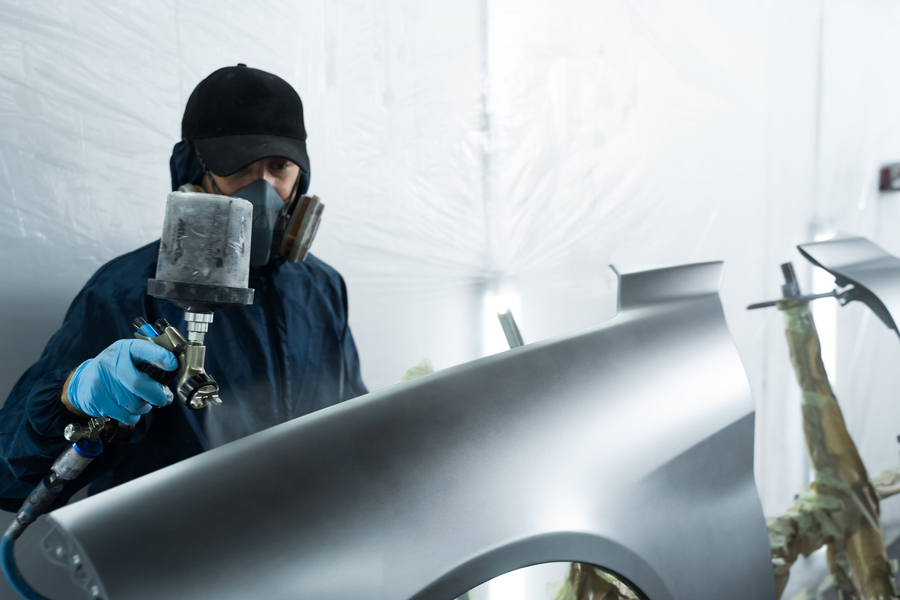
Metal finish problems can show up in different ways, including chalking, peeling, blistering, fading, adhesion loss, and rust. For property managers, identifying the type of failure can make it easier to understand whether the surface needs cleaning, coating removal, rust treatment, repainting, or full restoration. In this blog, Steeltech Electropainting explains how to recognize common finish issues before requesting metal restoration in South Florida.
Understanding Metal Finish Failures
The longevity and aesthetics of metal structures depend on the quality of their finishes. However, environmental factors and time can lead to various types of finish failures. Identifying these issues early can save time, money, and effort over time.
Chalking: A Powdery Residue
Chalking occurs when a white, powdery substance appears on the surface of painted or coated metals. This is often a result of the breakdown of the paint’s binder due to UV exposure and environmental conditions. In regions like South Florida, where sunlight is intense, chalking can be a common problem.
To identify chalking, simply rub your hand over the surface. If a powdery residue comes off, chalking is likely the issue. While chalking doesn’t directly harm the metal, it can lead to other problems like fading and reduced appearance. Regular cleaning and the application of UV-resistant coatings can reduce this issue.
Peeling: A Sign of Poor Adhesion
Peeling paint on metal surfaces is a sign of poor adhesion. This happens when the paint or coating loses its grip on the metal surface, often due to improper surface preparation or weather exposure. Peeling can expose the underlying metal to moisture and air, accelerating rust formation.
To address peeling, it’s important to remove the old paint completely and prepare the surface adequately before applying a new coat. This includes cleaning, sanding, and priming the metal surface to ensure better adhesion and longevity of the new finish.
Blistering: Trapped Moisture
Blistering appears as bubbles or blisters under the surface of the paint. This occurs when moisture or air gets trapped beneath the coating, often due to application in high humidity or directly on damp surfaces. Blistering compromises the protective layer, making it important to address early.
Prevention involves ensuring the metal surface is dry and the environment is suitable for painting. Once blistering occurs, the affected area should be stripped and repainted under better conditions.
Rust: The Dreaded Oxidation
Rusting metal surfaces are perhaps the most serious type of finish failure, especially in coastal areas like South Florida, where salt and humidity are common. Rust occurs when metal oxidizes due to prolonged exposure to moisture and oxygen, leading to structural damage if not addressed.
Regular inspections and maintenance, including the use of rust-inhibiting primers and coatings, are important in preventing rust. For existing rust, it’s important to remove it completely before applying protective coatings to prevent recurrence.
Fading: Loss of Color
Fading is the gradual loss of color from a painted or coated surface, mainly caused by UV exposure and weathering. While fading is more of an aesthetic concern, it can indicate the beginning stages of other failures like chalking.
Using high-quality, UV-resistant paints and coatings can help reduce fading. Regular cleaning and maintenance also help preserve the color and integrity of the metal finish.
Adhesion Loss: Beyond Peeling
Adhesion loss is a broader category that includes peeling but can also appear as flaking or detachment of the coating in patches. This often results from surface contamination, improper application techniques, or incompatible coatings.
Addressing adhesion loss involves thorough surface preparation and choosing the right coating systems selected for the metal type and environmental conditions.
Effective Metal Restoration Strategies
For property managers in regions like South Florida, where environmental conditions pose unique challenges, understanding and addressing finish failures is important. Here are some strategies for effective metal restoration in South Florida:
- Regular Inspections: Routine inspections help detect early signs of finish failures, allowing for timely intervention.
- Surface Preparation: Proper cleaning, sanding, and priming are important for the longevity of any coating system.
- Use of Quality Coatings: Invest in high-quality, UV-resistant, and rust-inhibiting coatings to hold up against harsh environmental conditions.
- Environment Consideration: Consider the specific environmental conditions, such as humidity and salt exposure, when selecting coatings and planning maintenance schedules.
- Professional Restoration Services: Engage professional services like SteelTech Electropainting for comprehensive metal restoration in South Florida, ensuring expert handling of complex issues.
Identifying and addressing metal finish failures like chalking, peeling, blistering, and rust is important for maintaining the structural integrity and aesthetic appeal of metal surfaces. By understanding these common issues and employing effective restoration strategies, property managers can ensure the longevity and durability of their metal assets. At SteelTech Electropainting, we offer expert guidance and restoration services based on the specific challenges of environments like South Florida.
For more information on our services and how we can help with your metal restoration needs, contact SteelTech Electropainting. Let’s work together to protect and improve your metal surfaces against the elements.