
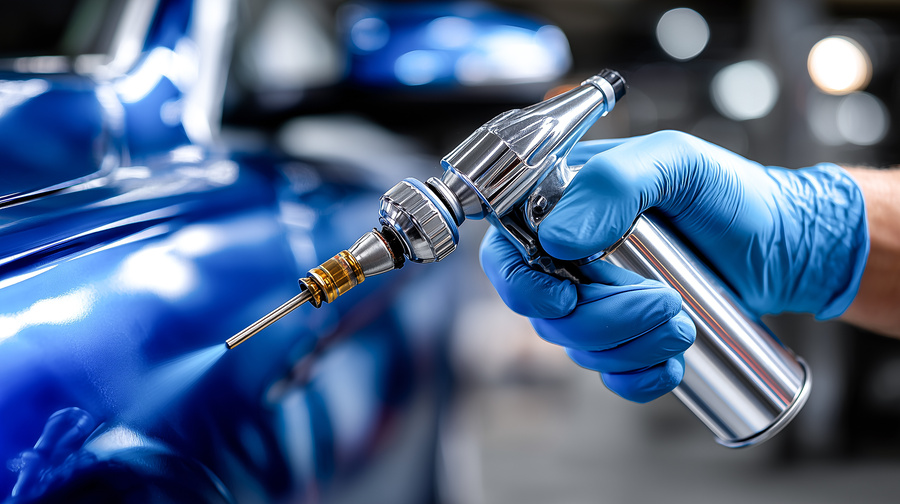
Choosing the right approach for metal restoration depends on the condition of the surface and the result you want to achieve. Polishing, buffing, and coating are often used interchangeably, but each method serves a different purpose. Understanding these differences is important when deciding whether to restore appearance, improve finish, or add protection. Many projects require professional metal polishing services to achieve consistent results, especially for industrial or large-scale applications. At Steeltech Electropainting Inc, each method is applied based on the specific condition of the metal and the required finish. In this blog, we explain how polishing, buffing, and coating differ and when each method should be used.
Understanding Metal Restoration
Metal restoration involves returning metal surfaces to their original or desired condition. This can include removing tarnish, scratches, or other imperfections, and enhancing the metal’s appearance and durability. Choosing the right restoration method depends on the type of metal, its current condition, and the desired outcome.
The Differences Between Polishing, Buffing, and Coating
What is Polishing?
Polishing is a process that uses abrasive materials to smooth and shine metal surfaces. It’s an essential step in metal restoration, as it removes imperfections and enhances the metal’s appearance. Polishing can be done manually or with the help of machines, and it’s suitable for a variety of metals, including stainless steel, aluminum, and brass.
- Advantages: Polishing provides a smooth, shiny finish and can restore the metal’s original appearance.
- Disadvantages: It can be time-consuming and may require specialized equipment or expertise, especially for intricate designs.
What is Buffing?
Buffing is a finishing process that follows polishing. It uses a soft cloth or buffing wheel to further improve the metal’s shine. Buffing is often used in conjunction with polishing to achieve a mirror-like finish, particularly on metals like chrome and stainless steel.
- Advantages: Buffing enhances the shine and can make the metal surface look almost new.
- Disadvantages: It offers minimal protection against future tarnishing or scratches.
What is Coating?
Coating involves applying a protective layer over the metal surface. This layer can be paint, powder coating, or a clear sealant. Coatings protect the metal from environmental factors like moisture and UV rays, which can lead to corrosion or tarnish.
- Advantages: Offers long-lasting protection and can enhance the metal’s aesthetics with various color or finish options.
- Disadvantages: Coating can be more expensive and may require professional application to ensure even coverage and durability.
When to Choose Polishing, Buffing, or Coating?
Choosing Polishing
Polishing is ideal when the primary goal is to restore the metal’s appearance by removing scratches and blemishes. It’s perfect for metals that require a smooth, reflective finish. For example, if you’re restoring a vintage car, polishing the chrome parts will bring back their original shine.
Choosing Buffing
If you’ve already polished the metal but want an even shinier finish, buffing is the way to go. It’s also suitable for maintaining metals that are already in good condition but need a touch-up to enhance their luster. Buffing is commonly used in jewelry making, where achieving a flawless finish is crucial.
Choosing Coating
Coating is the best choice when protection is a priority. If the metal will be exposed to harsh environmental conditions, a protective coating can prevent corrosion and extend the metal’s lifespan. For instance, outdoor metal furniture benefits from a durable powder coating that withstands weather changes.
Factors to Consider When Choosing a Method
When deciding between polishing, buffing, and coating, consider the following factors:
- Type of Metal: Some metals respond better to certain methods. For example, aluminum benefits greatly from polishing, while steel may require a protective coating to prevent rust.
- Condition of the Metal: Severely tarnished or corroded metals might need a combination of methods, starting with polishing and ending with a protective coating.
- Desired Finish: Decide whether you want a matte, semi-gloss, or high-gloss finish. Polishing and buffing are ideal for high-gloss finishes, while coatings can offer various finish options.
- Budget and Resources: Consider the cost and availability of resources. Polishing and buffing can be done at home with the right tools, while coating might require professional services.
Professional Metal Polishing Services
For those who lack the time or expertise to perform metal restoration themselves, professional metal polishing services are a valuable option. Companies like SteelTech offer a range of services tailored to different metals and restoration needs. They have the necessary equipment and expertise to ensure high-quality results.
Making the Right Choice for Metal Restoration
Choosing between polishing, buffing, and coating depends on various factors, including the type of metal, its condition, and your desired outcome. Each method has its unique benefits and potential drawbacks. By understanding these differences, you can make better decisions that best suit your metal restoration goals.
Whether you’re restoring a cherished heirloom, maintaining industrial equipment, or improving the aesthetics of metal fixtures, SteelTech offers a range of solutions to meet your needs. Don’t hesitate to explore professional services if you’re seeking expert results.
For more information on metal restoration methods or to explore professional services, contact us today. Let’s work together to bring your metals back to life!